
Embark on a journey into the world of complex Office 365 migrations with a SharePoint consultant leading the way. Discover the challenges, strategies, and valuable insights that shape the process.
Explore the intricacies of managing complex migrations, from pre-migration preparation to post-migration optimization, as we delve into the role of a SharePoint consultant in this critical task.
Understanding Complex Office 365 Migrations
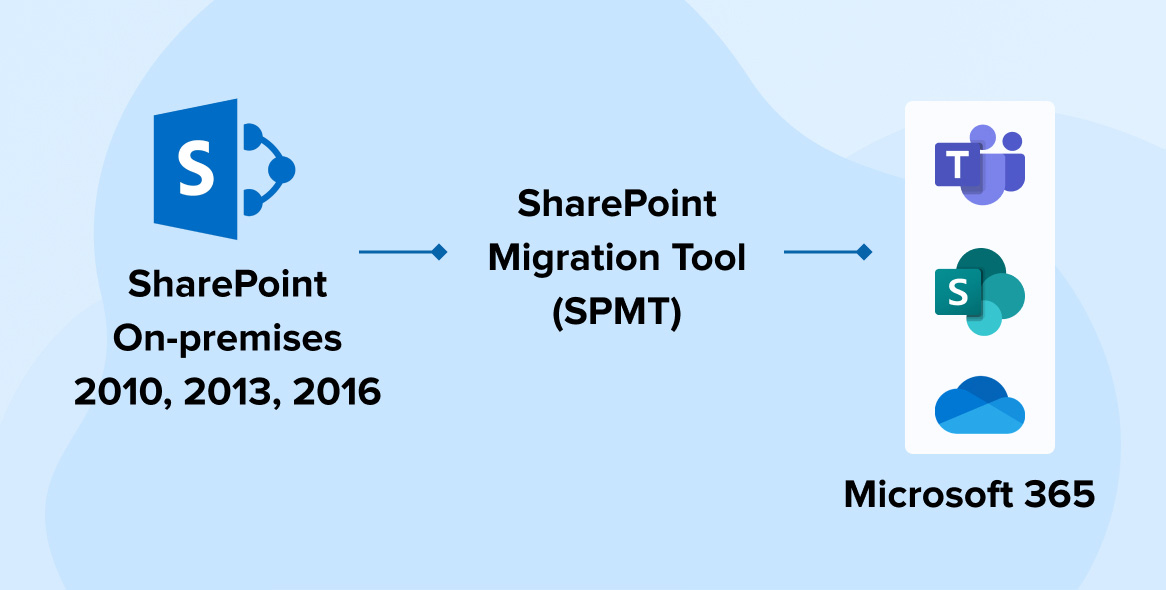
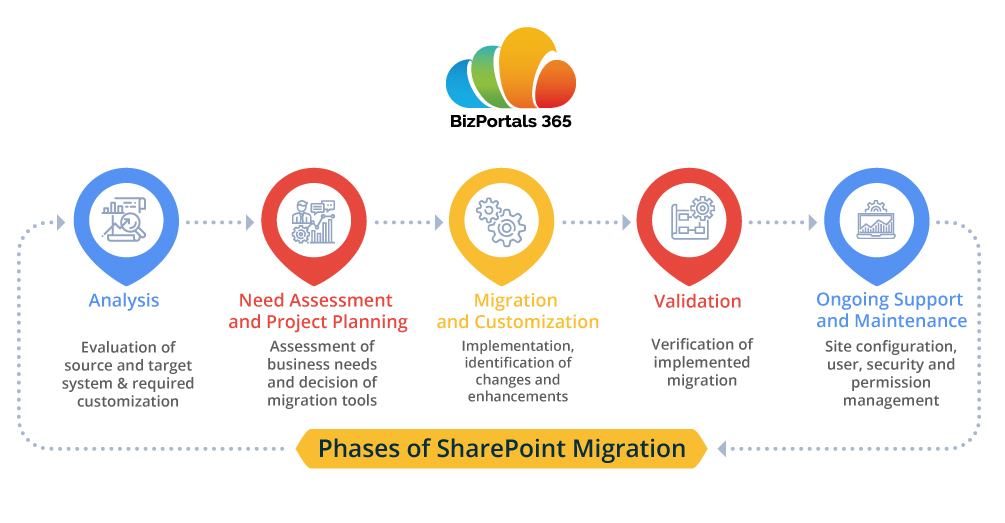 When it comes to complex Office 365 migrations, there are several challenges that organizations may face. These migrations involve transferring a large amount of data, applications, and workflows to the cloud, which can be a daunting task. Proper planning and execution are crucial to ensure a successful migration process.
Challenges in Complex Office 365 Migrations
- Large Amount of Data: Complex migrations often involve a significant volume of data that needs to be transferred, which can result in longer migration times and potential data loss if not handled properly.
- Integration of Applications: Migrating complex applications that are integrated with Office 365 can be challenging, as it requires careful planning to ensure seamless functionality post-migration.
- Custom Workflows: Organizations with custom workflows in place need to ensure that these workflows are effectively migrated to Office 365 without any disruptions to business processes.
Key Differences between Simple and Complex Migrations
- Scope: Simple migrations typically involve moving email data and basic applications to Office 365, while complex migrations encompass a wider range of data, applications, and workflows.
- Timeline: Complex migrations often take longer to plan and execute compared to simple migrations, as they require more detailed preparation and testing.
- Risk of Disruption: Complex migrations pose a higher risk of disruption to business operations if not managed effectively, due to the intricacies involved in transferring a larger amount of data and applications.
The Importance of Proper Planning
Proper planning is essential in managing complex Office 365 migrations to mitigate risks and ensure a smooth transition to the cloud. This includes conducting a thorough assessment of existing systems, identifying dependencies, creating a detailed migration plan, and testing the migration process before implementation. By investing time and resources in planning, organizations can minimize downtime, data loss, and potential disruptions during the migration process.Role of a SharePoint Consultant
 SharePoint consultants play a crucial role in managing complex Office 365 migrations. They are experts in SharePoint technologies and possess the knowledge and skills required to ensure a smooth transition to the cloud-based platform. Here are some key responsibilities and tasks that a SharePoint consultant undertakes during migration projects:
Responsibilities of a SharePoint Consultant
- Assessing current SharePoint environments and infrastructure to determine migration requirements.
- Developing migration strategies and plans tailored to the specific needs of the organization.
- Collaborating with stakeholders to define migration goals and objectives.
- Implementing migration tools and technologies to facilitate data transfer and system integration.
- Providing training and support to end-users to ensure a successful transition to Office 365.
Tasks Undertaken by a SharePoint Consultant
- Conducting a comprehensive analysis of existing SharePoint sites, content, and workflows.
- Mapping out dependencies and identifying potential risks or challenges in the migration process.
- Configuring SharePoint Online settings and permissions to align with organizational requirements.
- Testing migration processes and conducting pilot migrations to validate the approach.
- Monitoring the migration progress and troubleshooting any issues that may arise during the transition.
Value Added by a SharePoint Consultant
- Expertise in SharePoint technologies to ensure a seamless migration experience.
- Efficient project management skills to keep the migration on track and within budget.
- Customized solutions to address specific migration needs and maximize the benefits of Office 365.
- Ongoing support and guidance to help organizations leverage the full potential of Office 365 post-migration.
Pre-Migration Preparation
Before embarking on a complex Office 365 migration, it is crucial to thoroughly assess the existing infrastructure to ensure a smooth transition. This involves analyzing data, systems, and understanding the scope and requirements of the migration process.Assessing Existing Infrastructure
Before initiating the migration process, a SharePoint consultant must conduct a detailed assessment of the current infrastructure. This includes evaluating the existing data storage, applications, network configurations, and user permissions.
- Identifying all data sources and determining the volume of data to be migrated.
- Assessing the compatibility of existing systems with Office 365 to identify potential challenges.
- Evaluating the current security measures in place to ensure data protection during the migration.
Importance of Data and System Analysis
Conducting a thorough analysis of data and systems is essential for a successful migration. This step helps in identifying any potential risks, dependencies, or constraints that could impact the migration process.
- Understanding the data structure and relationships to ensure a seamless transition to Office 365.
- Identifying redundant or obsolete data that can be archived or removed to streamline the migration.
- Assessing the impact of the migration on existing workflows and processes to minimize disruption.
Determining Scope and Requirements
A SharePoint consultant plays a critical role in determining the scope and requirements of a complex Office 365 migration. This involves defining the goals, timeline, and resources needed for a successful migration.
- Collaborating with stakeholders to understand business objectives and user requirements.
- Defining migration priorities based on critical data and applications that need to be moved first.
- Creating a detailed migration plan that Artikels tasks, milestones, and responsibilities to ensure a structured approach.
Migration Strategy Development
Developing a migration strategy for complex Office 365 migrations is a critical step that requires careful planning and consideration of various factors. This process involves creating a roadmap that Artikels how the migration will be executed, ensuring a smooth transition to the new environment.
Considerations for Data Mapping
When developing a migration strategy, it is essential to start by conducting a thorough data mapping exercise. This involves identifying all the data that needs to be migrated, categorizing it based on its importance and relevance, and determining any dependencies between different data sets. By mapping out the data effectively, you can ensure a more organized and efficient migration process.
Considerations for Security and Compliance
Security and compliance are paramount during any migration project, especially when dealing with sensitive data in Office 365. As such, it is crucial to assess the security requirements of the new environment and ensure that all necessary compliance measures are in place. This may involve implementing encryption protocols, access controls, and other security measures to protect data during the migration.
Best Practices for Creating a Timeline and Milestones
Creating a timeline and milestones for the migration project is essential to ensure that the process stays on track and meets the desired objectives. Best practices for this include setting realistic timelines for each phase of the migration, establishing clear milestones to measure progress, and regularly reviewing and adjusting the timeline as needed. By having a well-defined timeline, you can effectively manage the migration project and ensure successful completion within the set timeframe.
Implementation and Execution
When it comes to actually migrating to Office 365, a SharePoint consultant plays a crucial role in ensuring a smooth transition. They are responsible for overseeing the entire migration process, from start to finish, and implementing the migration strategy that was developed during the planning phase.Managing the Migration Process
- Coordinate with IT teams and stakeholders to schedule the migration at a time that minimizes disruption to daily operations.
- Utilize migration tools and scripts to automate the transfer of data, including documents, emails, calendars, and contacts.
- Monitor the progress of the migration in real-time to identify any issues or bottlenecks that may arise.
- Communicate regularly with end-users to provide updates on the migration process and address any concerns or questions they may have.
Minimizing Disruption to Daily Operations
- Conduct thorough testing before the actual migration to identify and resolve any potential issues that could impact productivity.
- Implement a phased migration approach, starting with less critical data and systems to minimize the impact on daily operations.
- Provide training and support to end-users to ensure they are prepared for the changes and can continue working effectively during the migration.
- Have a backup plan in place in case of any unexpected issues that may arise during the migration process.
Troubleshooting and Issue Resolution
- Establish a dedicated support team to address any technical issues or user queries that arise during the migration.
- Document and track all issues and their resolutions to identify recurring patterns and improve the migration process for future projects.
- Utilize collaboration tools like Microsoft Teams to facilitate communication and collaboration among team members during issue resolution.
- Engage with Microsoft support or external consultants for expert assistance with complex technical issues that may require specialized knowledge.
Post-Migration Support and Optimization
After a successful migration to Office 365, the role of a consultant doesn't end there. Post-migration support is crucial to ensure that the organization continues to operate efficiently in the new environment. This phase involves providing ongoing assistance, troubleshooting any issues that may arise, and optimizing the performance of Office 365 for maximum productivity.Post-Migration Support
- Offering training sessions for end-users to familiarize them with the new tools and features in Office 365.
- Providing technical support to address any post-migration issues promptly.
- Ensuring that data migration was successful and that all files and documents are accessible in the new environment.
Optimizing Office 365 Performance
- Regularly reviewing and optimizing the configuration settings of Office 365 to ensure maximum efficiency.
- Implementing best practices for security and compliance to protect sensitive data.
- Monitoring user adoption and feedback to identify areas for improvement and further optimization.
Monitoring and Fine-Tuning
- Using monitoring tools to track system performance, identify bottlenecks, and address any issues proactively.
- Regularly evaluating the performance of Office 365 and fine-tuning configurations to enhance user experience.
- Collaborating with the IT team to implement updates, patches, and upgrades to keep the system running smoothly.
End of Discussion
In conclusion, navigating the complexities of Office 365 migrations with a skilled SharePoint consultant can make all the difference. From meticulous planning to seamless execution, this guide has shed light on the essential aspects of managing such intricate projects.
FAQ Compilation
What are the common challenges in complex Office 365 migrations?
Common challenges include data mapping complexities, security concerns, and ensuring minimal disruption to operations during migration.
What tasks does a SharePoint consultant typically handle during a migration project?
A SharePoint consultant may oversee data analysis, develop migration strategies, implement migration processes, and provide post-migration support.
How does a consultant determine the scope of a complex migration?
A consultant assesses existing infrastructure, analyzes data and systems, and collaborates with stakeholders to define migration requirements.